01 · What you eat
Food is the story spine, not fuel between sights. The dish a city is famous for, where locals actually eat it, and how to order, eat and enjoy it like you've lived there a year.
We bring curious Western travellers into mainland China the deep way — through what people eat, what actually happened in each place, and the culture behind it. Small groups, storyteller guides, pricing confirmed personally on enquiry, and every piece of friction — visas, payments, apps, trains — removed before you fly.
We started with a simple observation. Western travellers aren't avoiding China because they've lost interest — interest is surging, fuelled by creators showing night markets, high-speed trains and cities that feel like the future. They're held back by a wall of friction and a picture of China that stopped being accurate years ago.
So we build trips the opposite way to the classic tour industry: food first, history told as a story, culture you take part in rather than watch — and a team whose real job is removing everything that makes China feel hard, from the visa route to the first taxi ride.
We're a new, deliberately small operation, now taking enquiries for our first pilot departures. Because operating tours in China requires a licensed travel agency, trips are operated on the ground by a licensed local partner — named and confirmed in writing before you book — with vetted English-speaking guides, so the storytelling and route design are ours and the operation is properly licensed locally.
Curious first-time and returning travellers from the UK, Canada, Australia, Europe and beyond — people who saw the real China online and want that version, without the logistics headache.
Tell us where you're drawn to and how you travel. We draft a route, send pricing personally on enquiry as a written itemised quote, revise it with you, then handle bookings, guides, trains and the pre-trip setup pack.
No commission shopping stops, no 40-person buses, no hidden extras after you commit, no sights ticked off from behind glass.
Every stop on every route we design is built the same way. If a place can't give you all three, it doesn't make the route.
Food is the story spine, not fuel between sights. The dish a city is famous for, where locals actually eat it, and how to order, eat and enjoy it like you've lived there a year.
Solid historical context, told as narrative — who built this, why, what it cost, and how it still shapes China today. Guides who can answer the follow-up question.
The living layer: teahouse afternoons, morning tai chi, mahjong in the park, craft by hand, festivals and everyday rituals you're invited into, not shown.
Four services, one standard: small, story-led, and priced properly on enquiry — every quote written and itemised before you commit.
Our ready-made story routes — like the Beijing → Shanghai → Chengdu → Chongqing pilot — run with a maximum of 8 guests and a storyteller guide throughout.
Start from the destinations and interests below and we design the route around you — pace, food, history depth, comfort level and budget.
Short, deep add-ons inside any trip: market walks with a local cook, a cooking session, tea country visits, calligraphy, opera backstage and craft workshops.
The unglamorous part that decides whether a China trip feels easy: visa-route check, payments, eSIM and apps, passport-linked train bookings and transfers.
Most China tours sold to Western travellers fall into two camps: big-bus checklist circuits, or quote-only luxury private tours. We built the missing middle.
These are the destinations that come up again and again in traveller conversations, videos and wish lists right now — organised the way trips actually fit together: by area, with every city in each area in the discussion. Tap Add to my trip on any destination — your picks flow straight into the enquiry form below.
The first names on almost every list: the imperial capital and the ancient capital where China began. The backbone of most first trips — Beijing also opens our signature pilot route.
North · Capital · Imperial power, hutong life
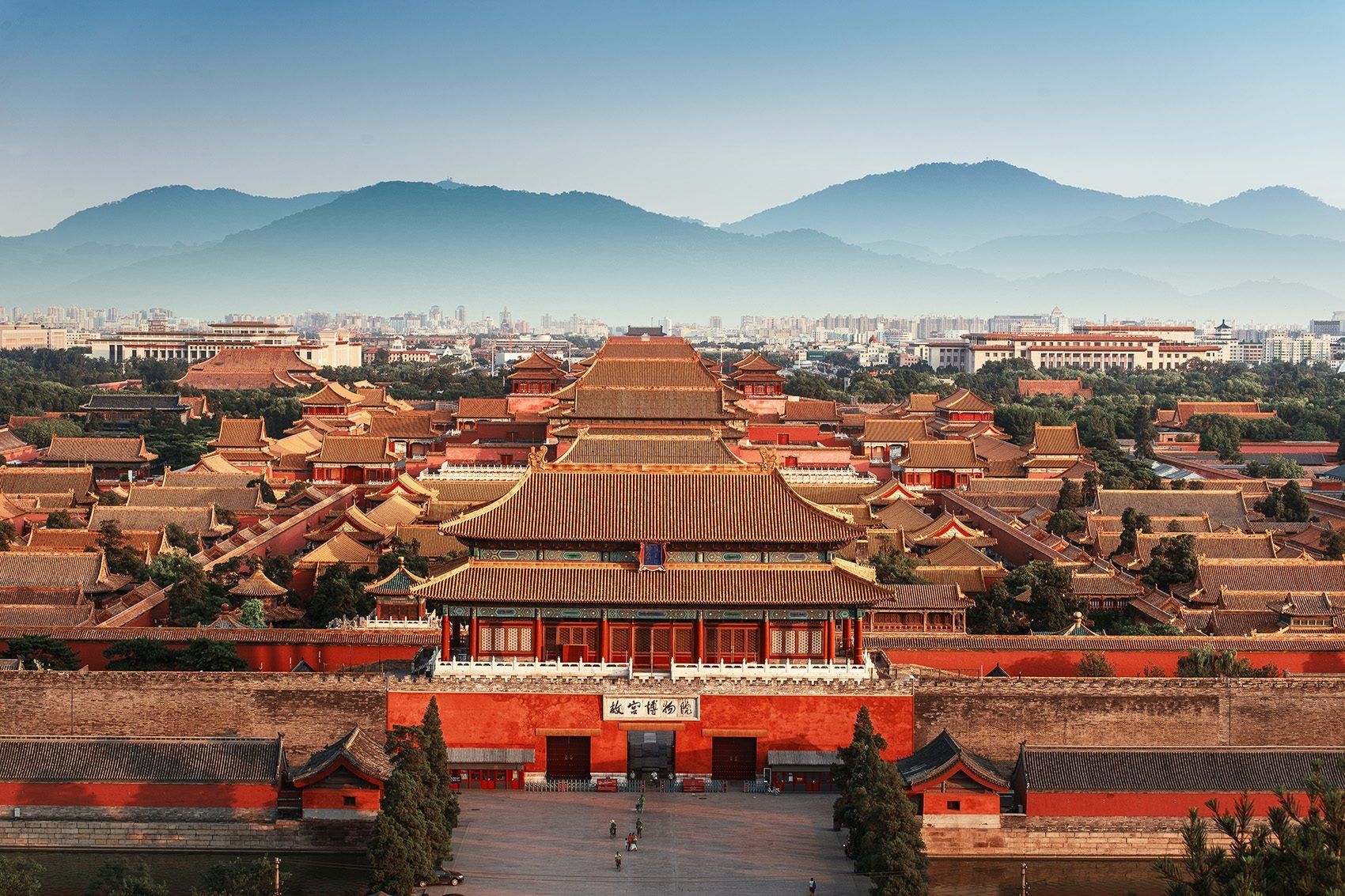
The first name almost everyone asks for — the Forbidden City, the Great Wall, and whether hutong neighbourhoods are really still lived-in. They are, and that's where we start.
Best for: First-timers, history lovers
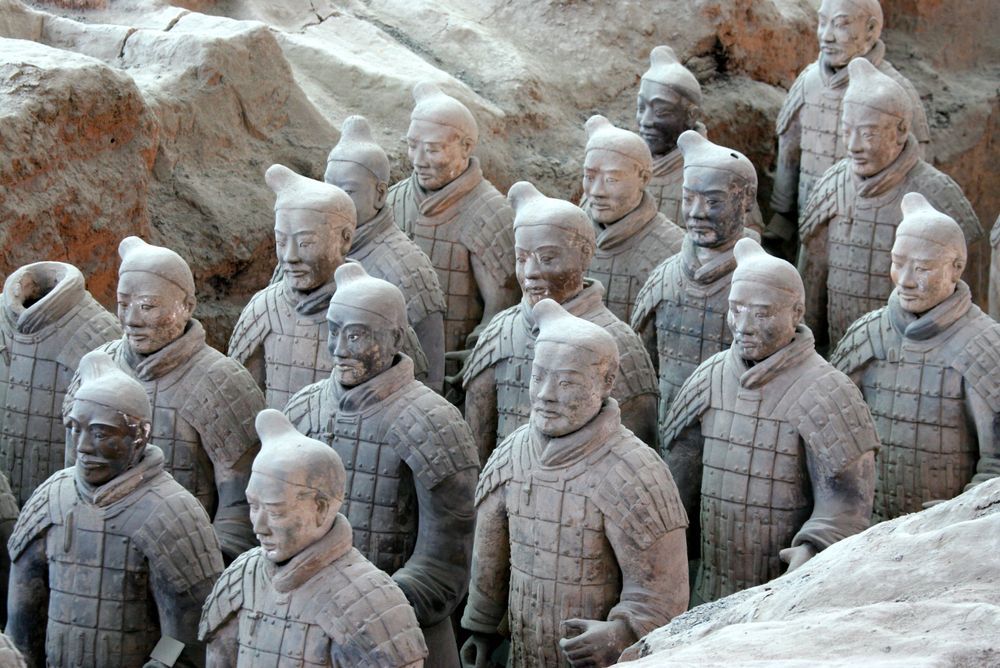
Shaanxi · Ancient capital · Where China began
The Terracotta Army pulls people in; the Muslim Quarter's 1,300 years of Silk Road food is what they talk about afterwards.
Best for: History, Silk Road food
China's refined south-of-the-Yangtze region: classical gardens, canal towns, West Lake tea country and silk — with Shanghai, Jiangnan's great gateway city, as the way in.
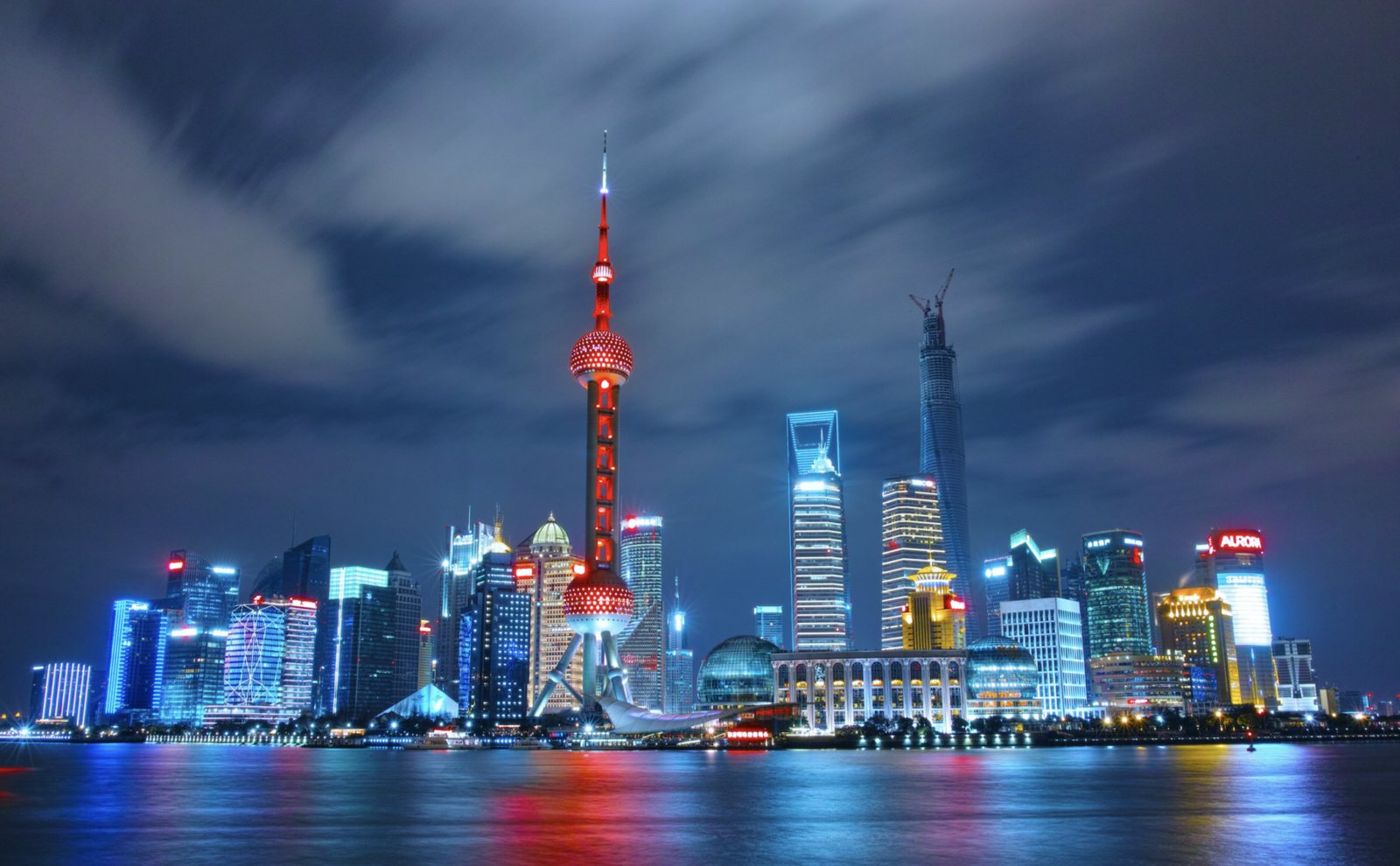
East · Gateway city · Old lanes, future skyline
Travellers are intrigued by the contrast: colonial-era Bund and shikumen lanes on one bank, one of the world's great skylines on the other — plus China's best museum and café scene.
Best for: City lovers, design, nightlife
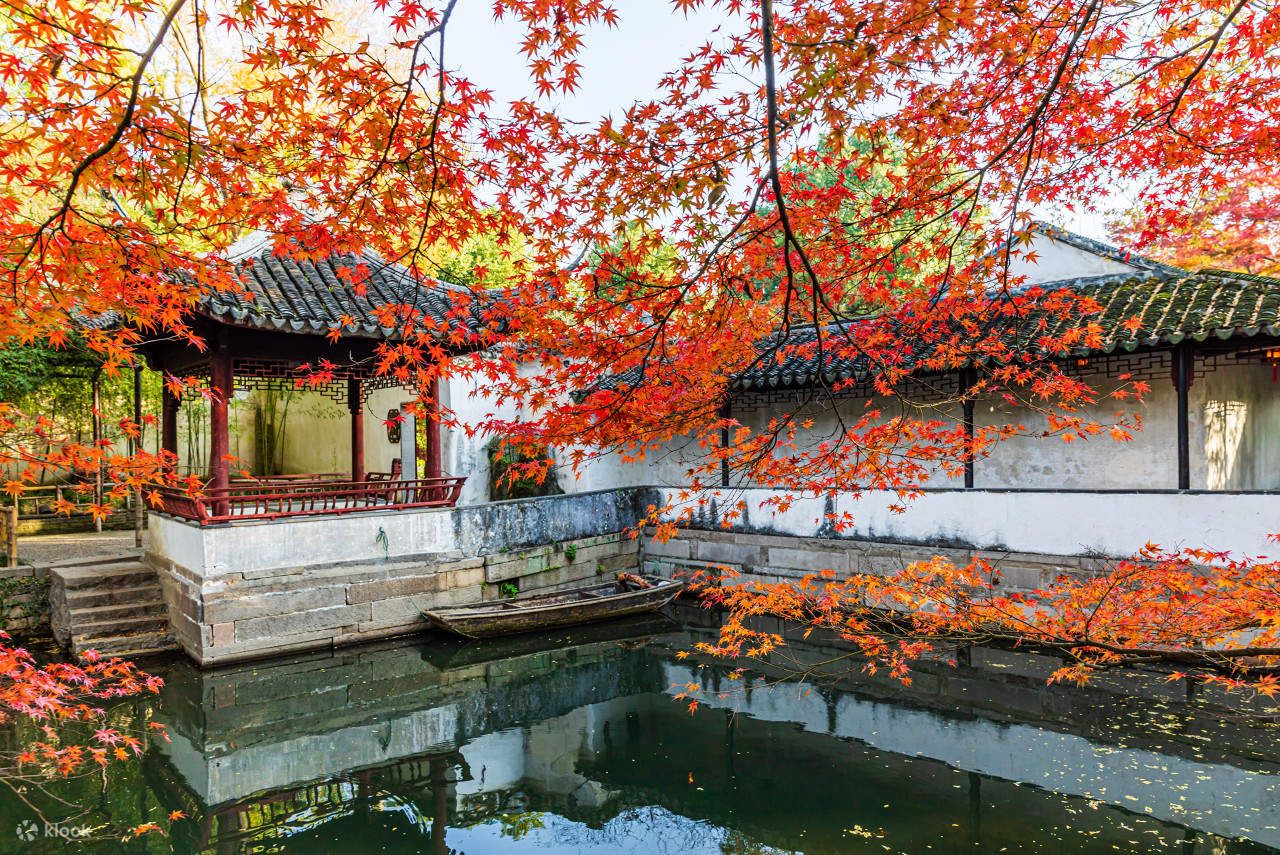
Jiangnan · Gardens & West Lake · Gardens, canals, silk & tea
The refined counterpoint to the megacities — classical scholar gardens, canal towns, Longjing tea fields above West Lake, and silk craft still made by hand.
Best for: Gardens, tea, gentle pace
Guangdong — the Canton area, all four stops in the conversation: Guangzhou, the Cantonese capital famous for dim sum and local food; Shunde, home of chefs and utterly famous crispy roast duck; Shenzhen's future-city energy in the Pearl River Delta; and Shantou on the Teochew-speaking Chaoshan coast, where some of China's finest food and gongfu tea come from.
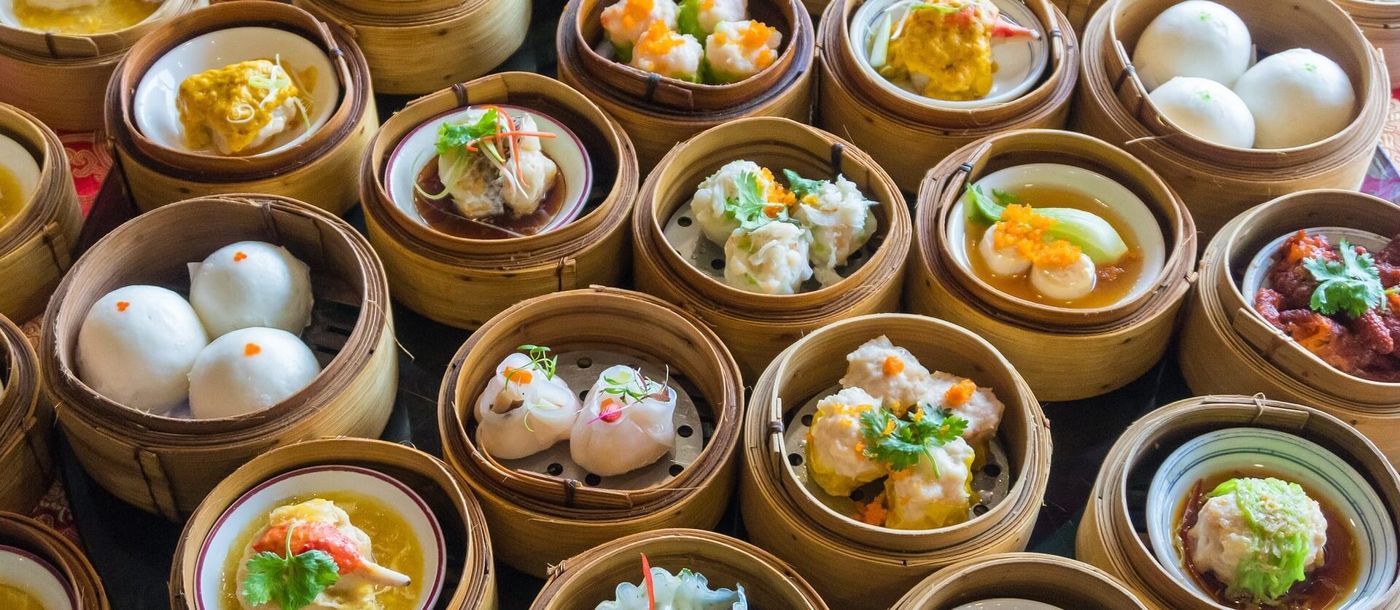
Guangdong · Canton capital · Dim sum & the home of Cantonese food
The capital of Cantonese cooking and the city dim sum comes from. Mornings start with yum cha — har gow, siu mai, cheung fun and tea poured for the table — then roast meats, wonton noodles, herbal soups and late-night local food. Add Shamian Island, the Chen Clan Academy and the Canton Tower over the Pearl River.
Best for: Dim sum, Cantonese food, local life
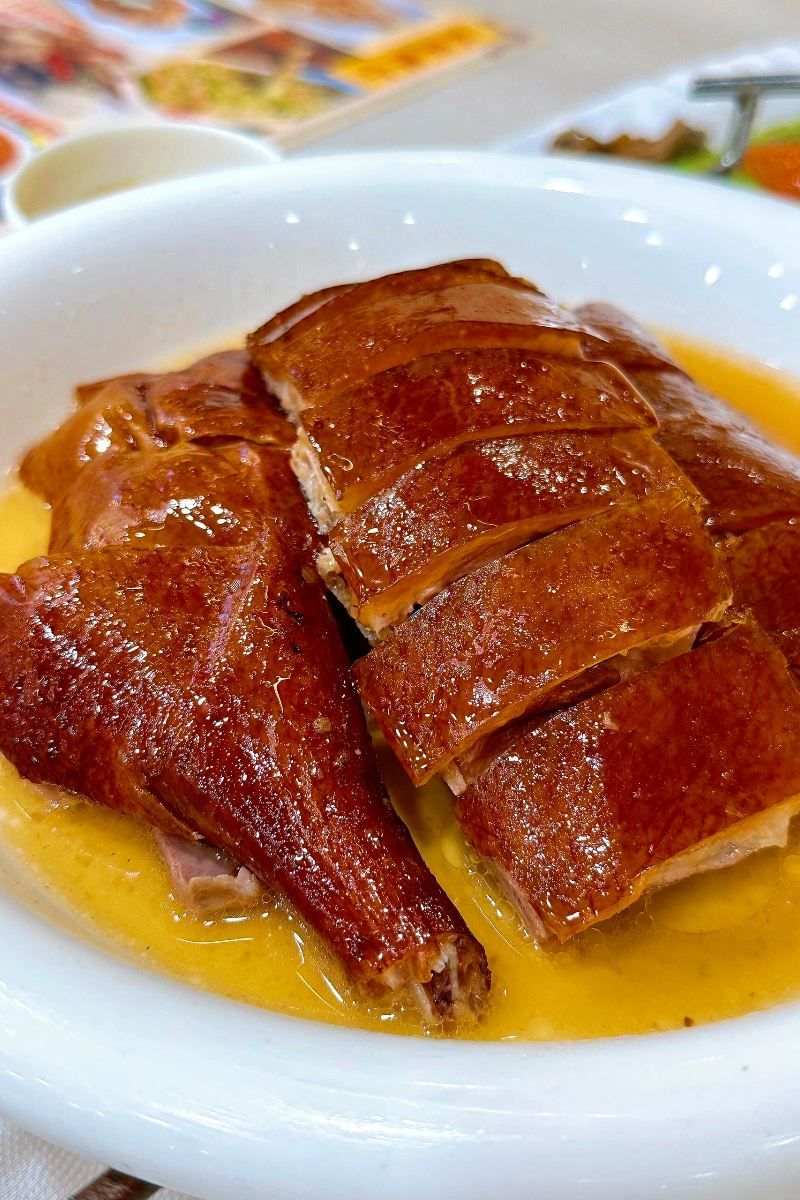
Guangdong · Foshan — Shunde · Utterly famous crispy roast — and chefs' hometown
Shunde is where Guangzhou's chefs come from — a UNESCO-recognised home of Cantonese cooking famous for its utterly crisp-skinned roast duck and goose, double-skin milk, silky fish dishes and Fengjian water town lanes. Travellers who care about food put Shunde on the list by name.
Best for: Serious food lovers, Cantonese cooking
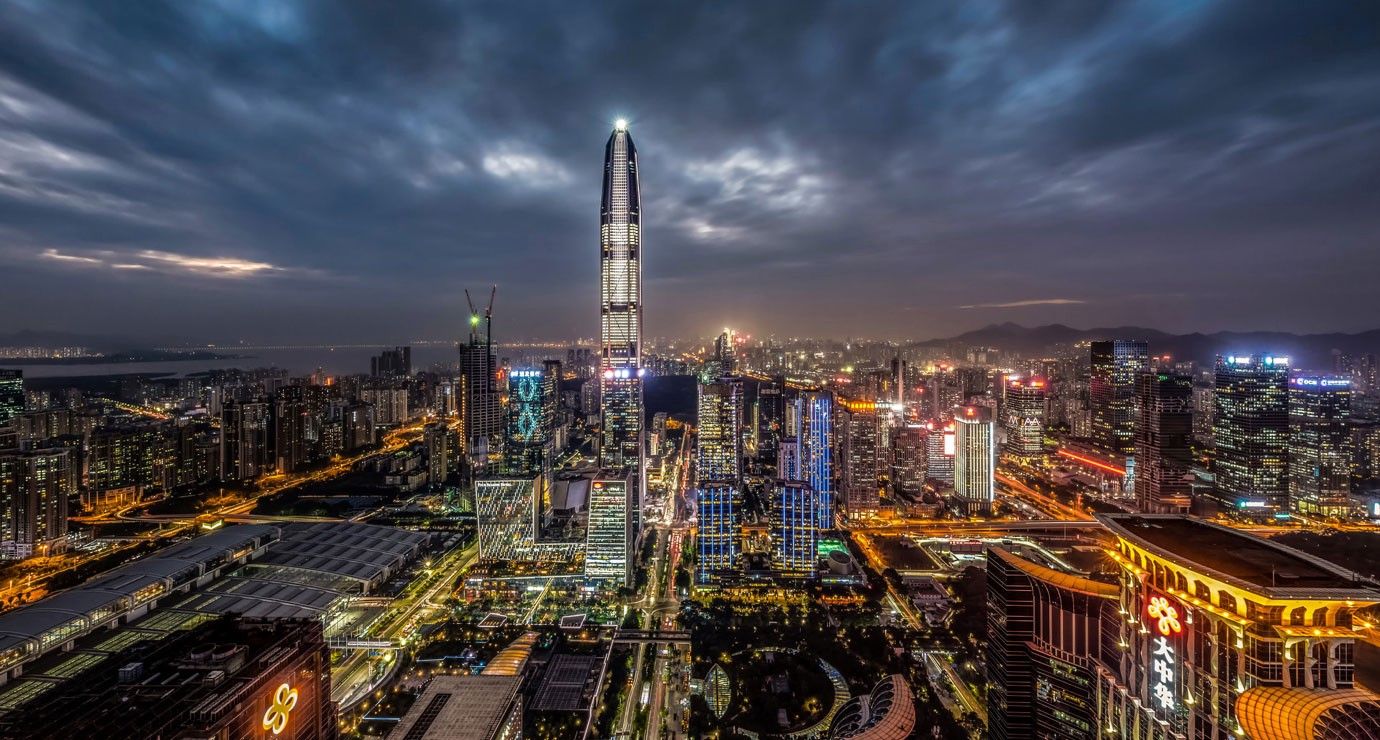
Guangdong · Next to Hong Kong · The future, built in one lifetime
A small border city transformed after becoming China's first Special Economic Zone in 1980, now a megacity of tech giants, design districts and some of China's most inventive Cantonese food. Travellers ask what China's next chapter looks like — this is it, an hour from Guangzhou and minutes from Hong Kong.
Best for: Tech, architecture, city energy
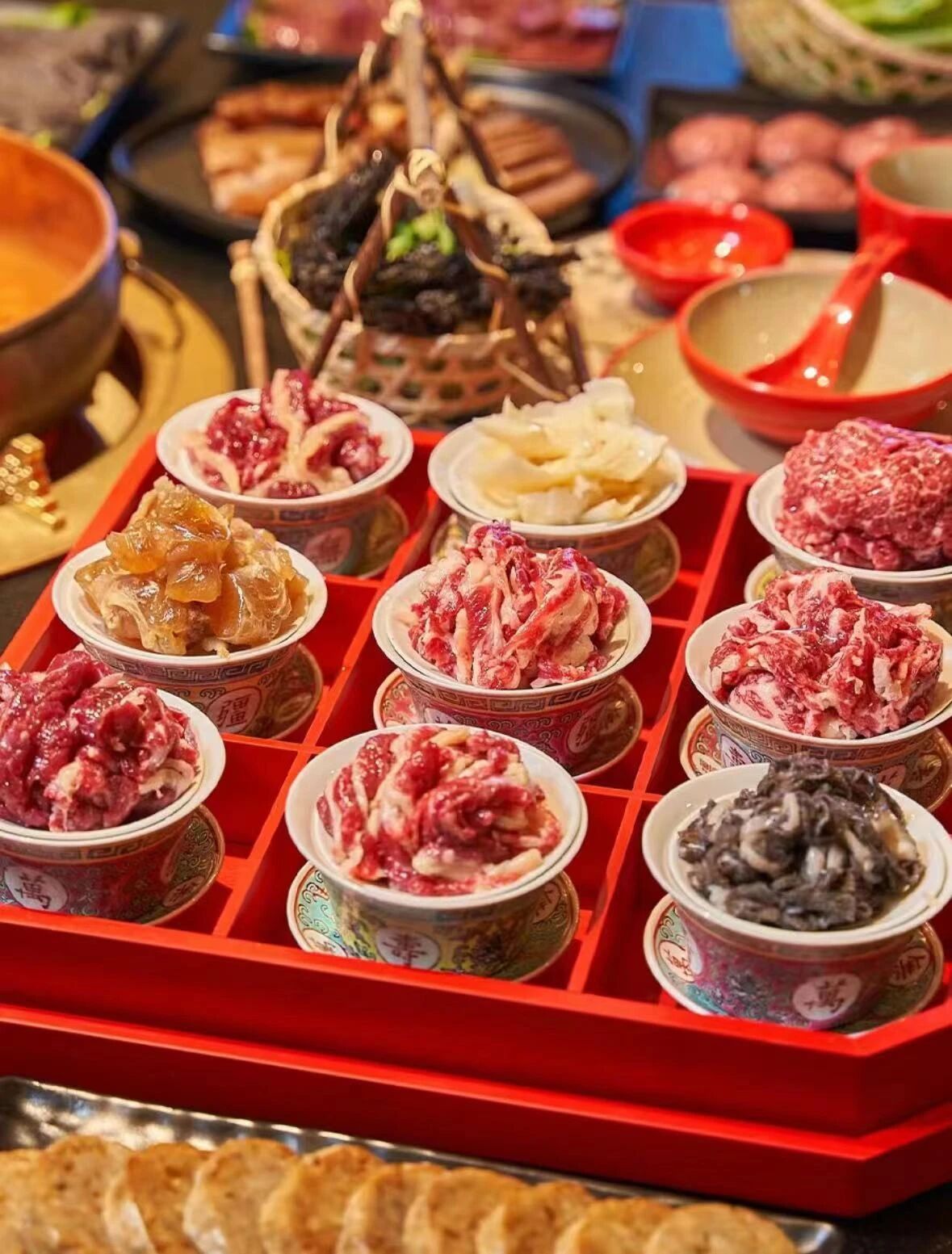
Guangdong · Chaoshan coast · China's quiet food capital
Chefs across China rank Chaoshan cooking among the country's finest — beef hotpot cut to order, braised goose, oyster omelettes and gongfu tea, which was born here. Add a treaty-port old town of arcade streets and a slower coastal pace.
Best for: Serious food lovers, tea culture
One connected region, three characters: Chengdu's slow food capital, Chongqing's vertical mountain megacity, and Guizhou's Miao and Dong mountain villages. Spice, teahouses and deep-country culture.
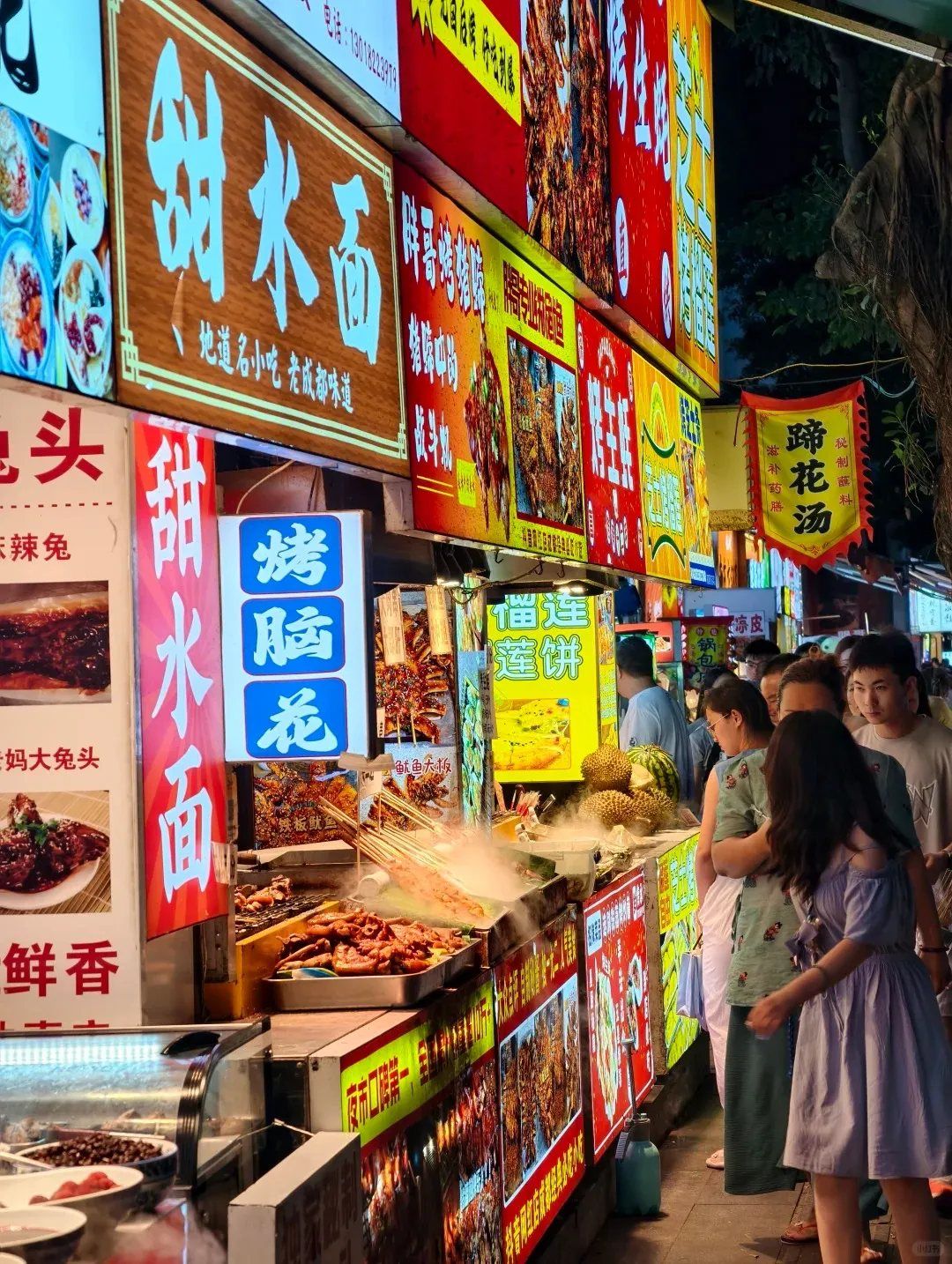
Sichuan · Food capital · Eat slowly, live slowly
Asked for by name after food videos go viral — real hotpot, mapo tofu where it was invented, pandas, and teahouse afternoons that run the city.
Best for: Food lovers, relaxed pace
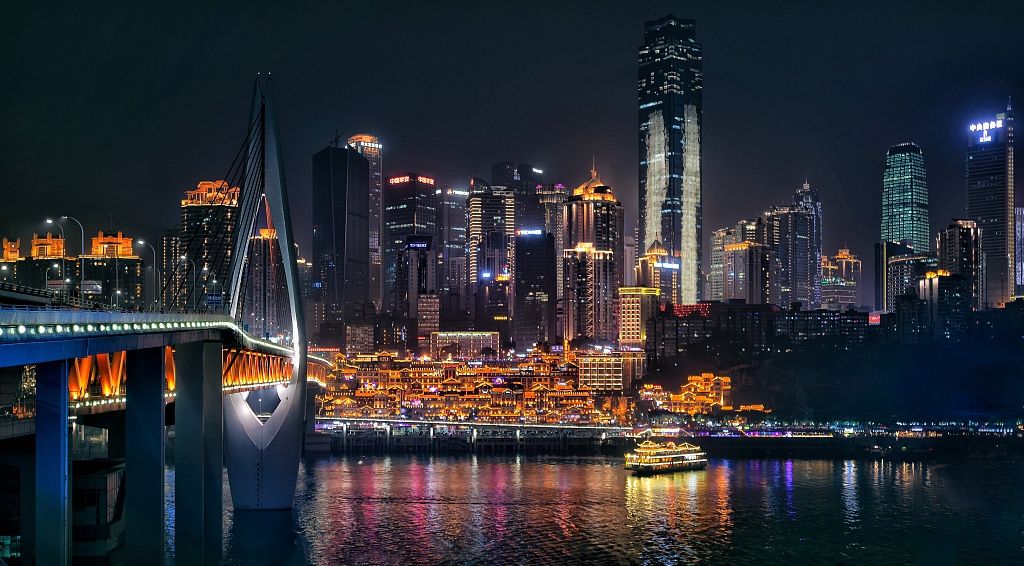
Southwest · Mountain city · The 8D mountain megacity
The city Western social media can't stop posting — trains through buildings, cliff-side Hongyadong lit at night, and hotpot in its fiercest hometown form.
Best for: Photography, food, wow-factor
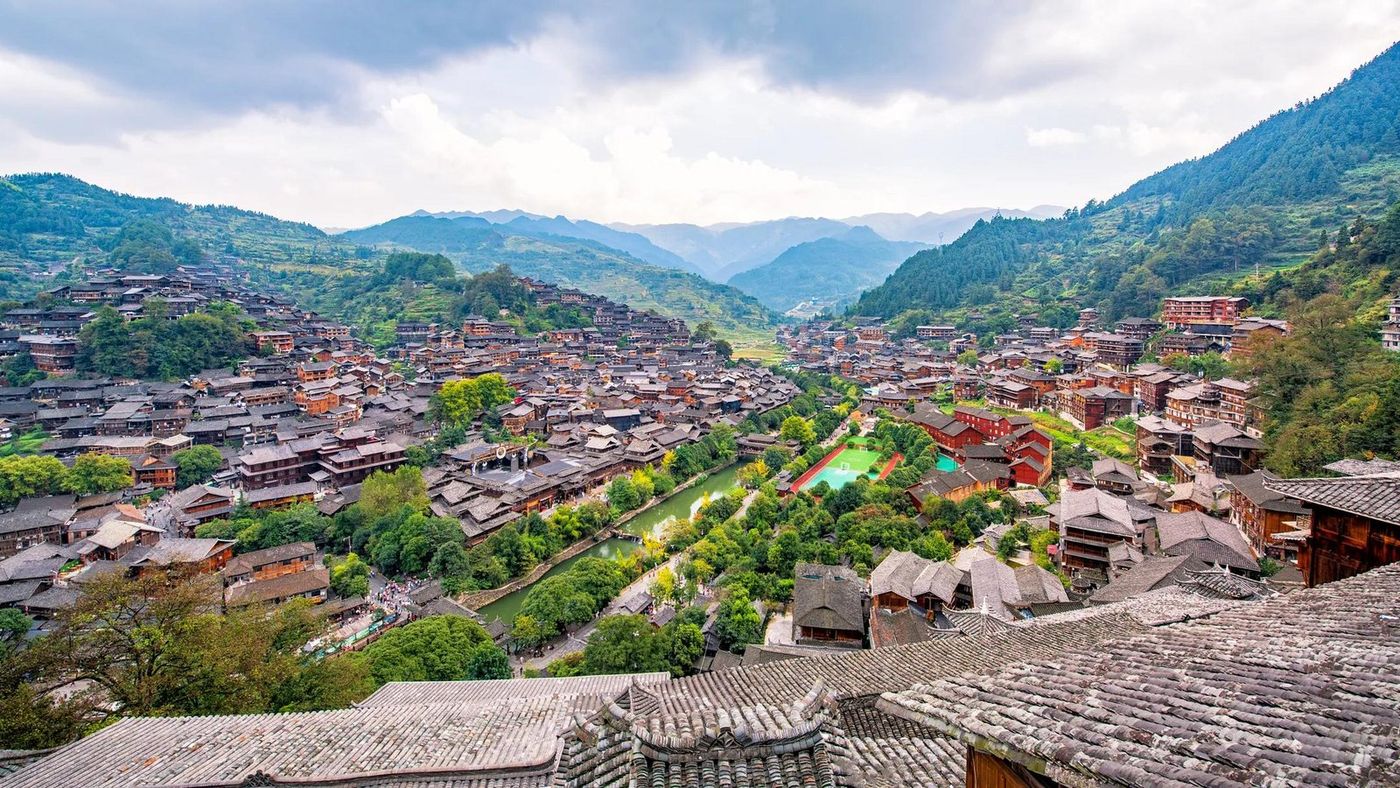
Southwest · Miao & Dong country · Mountain villages & emerald rivers
Xijiang, the largest Miao village, with a thousand wooden houses climbing the hillside; Libo's emerald Xiaoqikong rivers; Huangguoshu, one of Asia's great waterfalls; and sour-soup fish, embroidery and festival culture throughout. It pairs naturally with Chengdu and Chongqing as the Southwest's deep-country chapter.
Best for: Village culture, nature, slow travel
The great landscapes travellers add once the cities are covered: floating pillars, karst rivers, Yunnan's old towns and lakes — and the northern coast, where Dalian and Qingdao pair up for seafood, sea air and, in Qingdao, Tsingtao beer in its hometown.
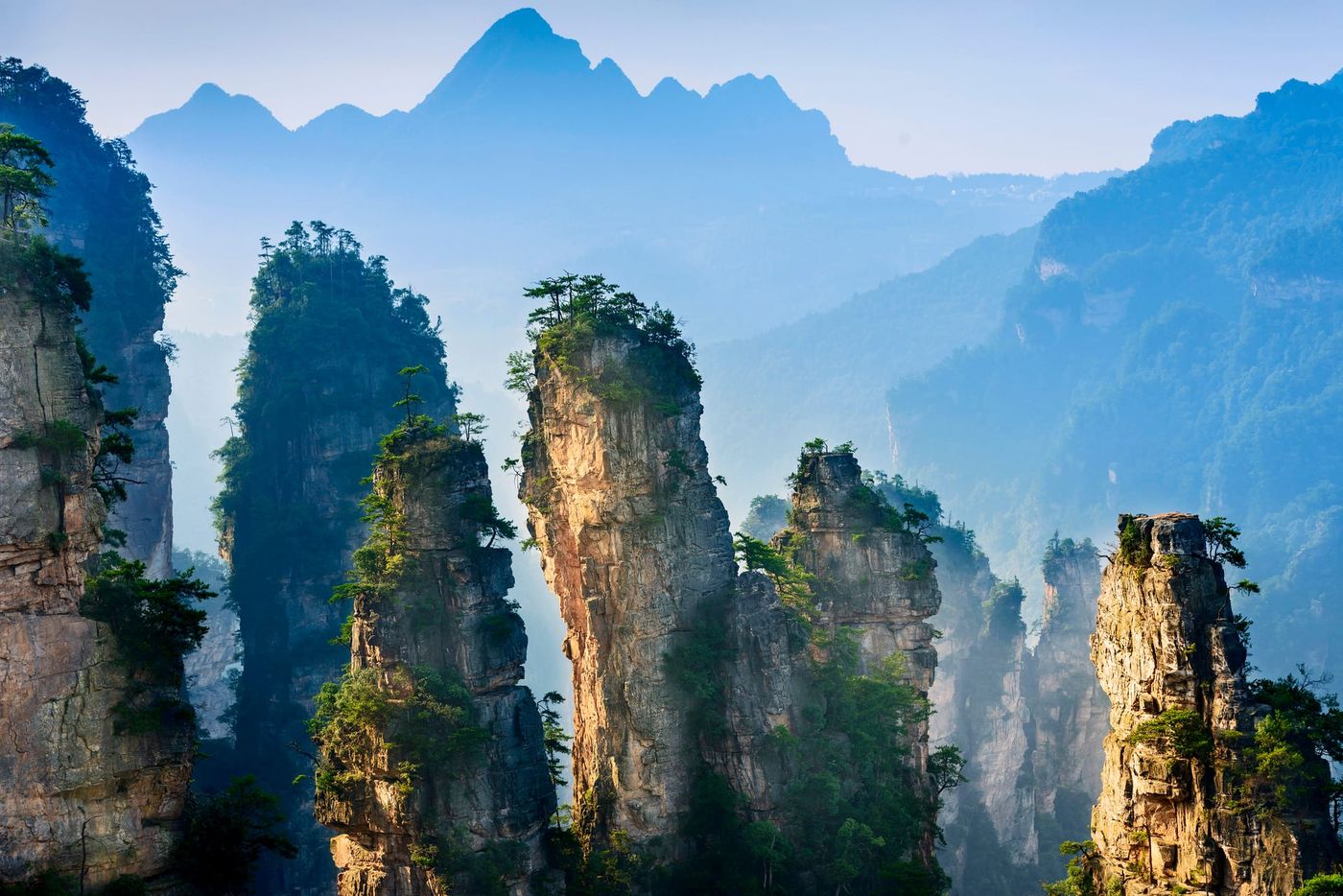
Hunan · National forest park · The 'Avatar' mountains, for real
The floating Hallelujah Mountains were inspired by these sandstone pillars. Travellers ask if it looks like that in person — in morning mist, it does.
Best for: Nature, photography, hikers
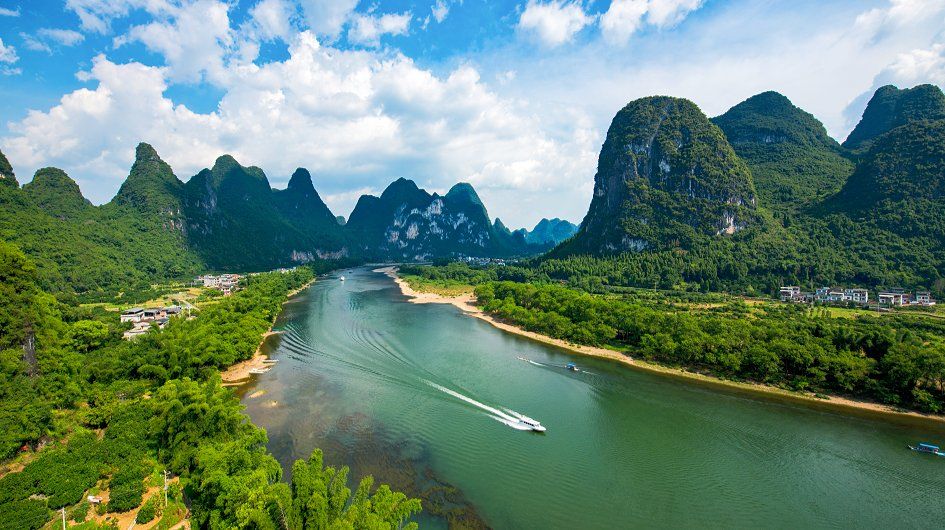
Guangxi · Li River · The classic Chinese landscape
The river-and-karst scenery on the 20-yuan note. A Li River cruise, bamboo rafts, rice terraces and village cycling — the China of paintings, still working farmland.
Best for: Scenery, families, cycling
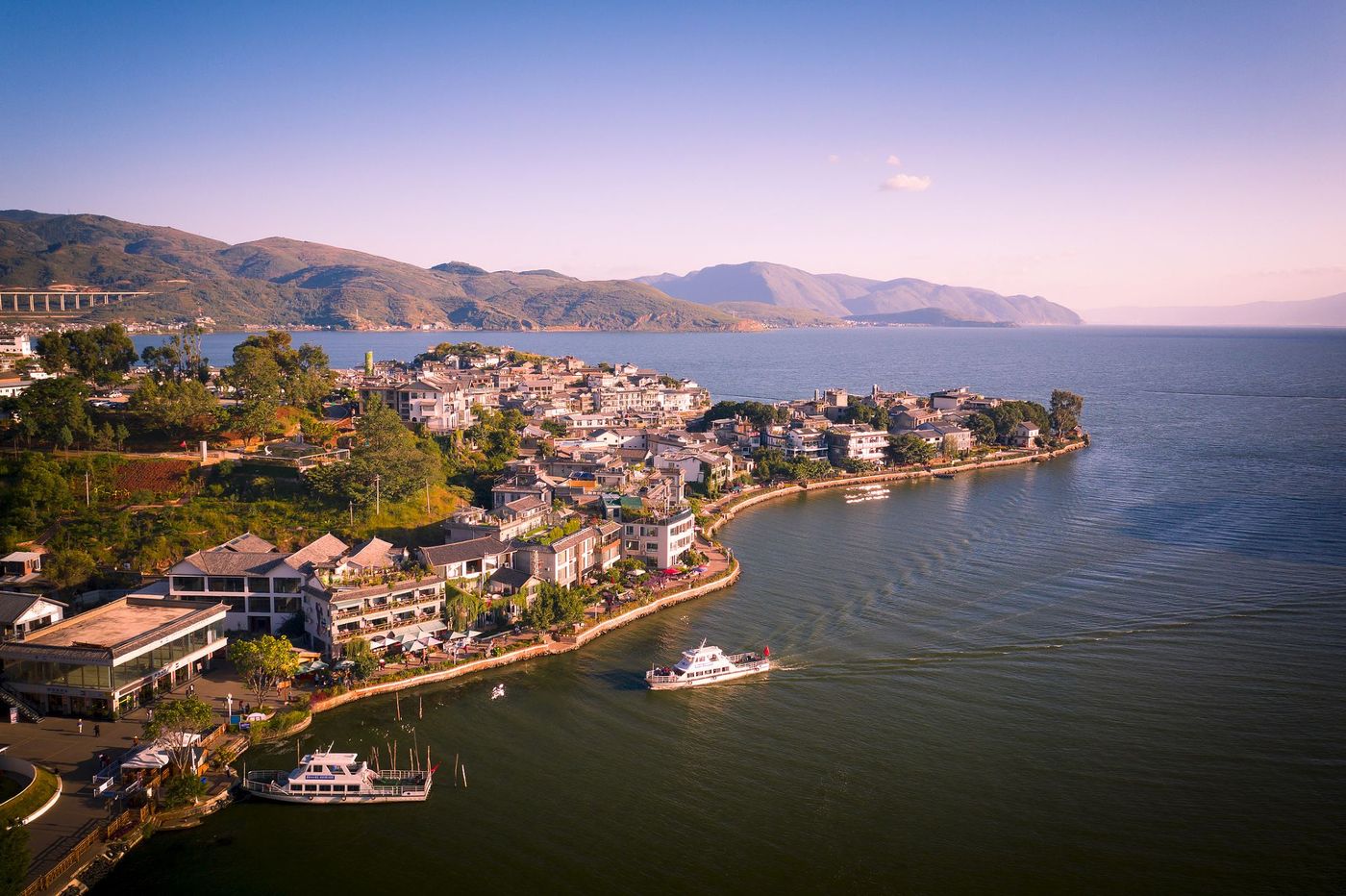
Southwest · Old towns & lakes · Old towns, lakes, minority cultures
For travellers who want to slow down: Bai and Naxi old towns, Erhai Lake, tea country, and some of China's most distinct regional cultures and cuisines.
Best for: Culture, slow travel, tea
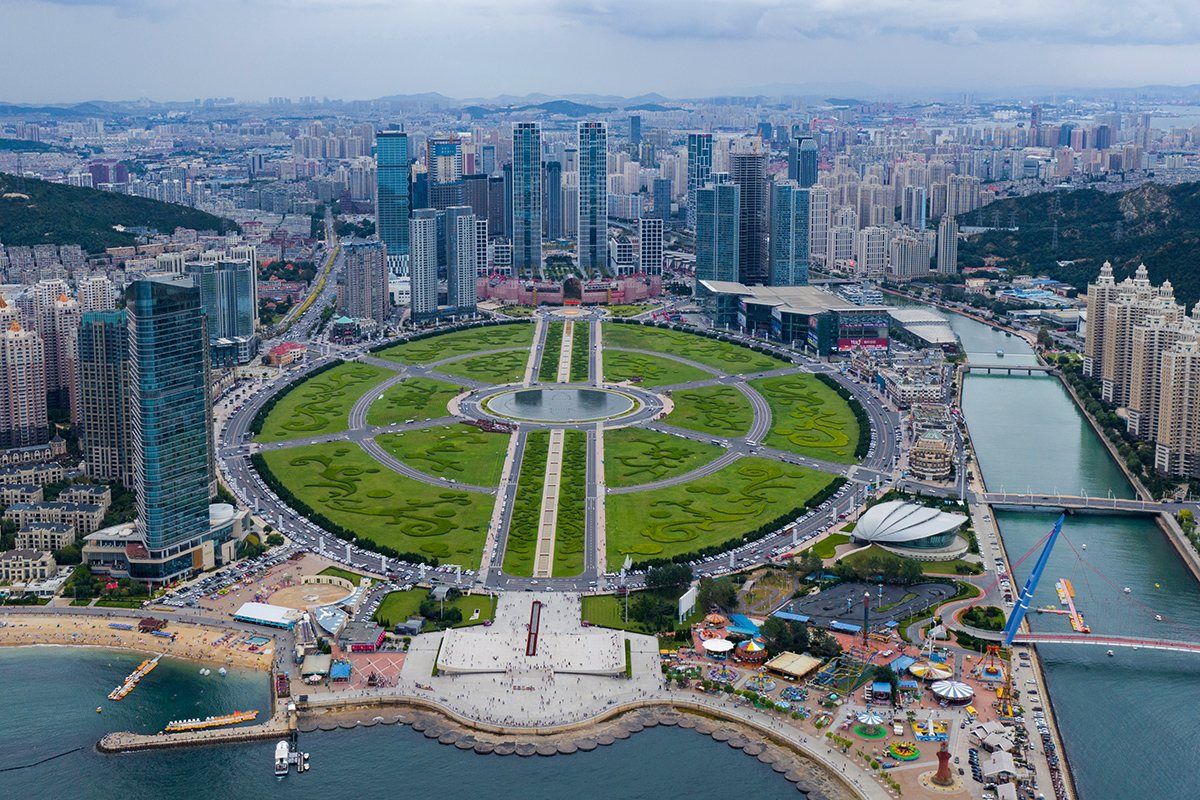
Liaoning · Northeast coast · Sea air, squares & seafood
The north's seaside city — sweeping squares, a cliff-hugging coastal road, Russian- and Japanese-era streets from its layered past, and seafood as the main event. Cooler summers make it a natural escape when the south swelters. Pairs naturally with Qingdao for a northern-coast seafood route.
Best for: Coast & scenery, seafood, summer trips
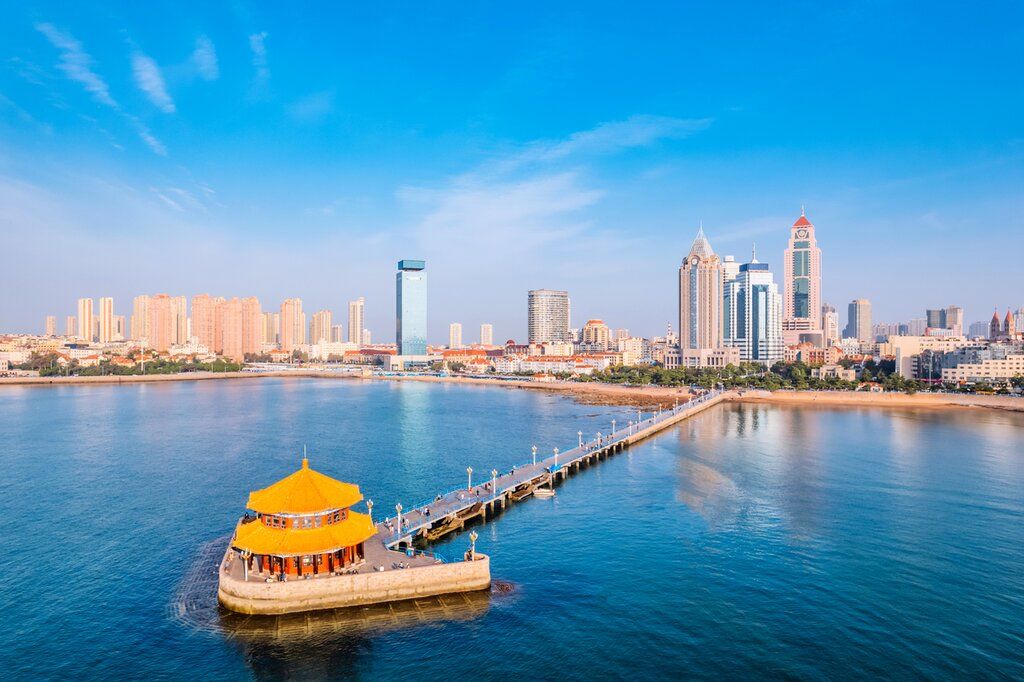
Shandong · Yellow Sea coast · Tsingtao beer & seafood by the sea
Home of China's best-known beer — Tsingtao, brewed here since 1903 — plus Zhanqiao Pier, a German-era old town of red roofs, Laoshan mountain rising from the sea, and seafood as the main event: clams, prawns and beer-hall tables by the water. The natural partner to Dalian on a northern-coast trip.
Best for: Beer, coast & scenery, seafood
10 days · max 8 guests · pricing on enquiry — contact us for a written, itemised quote · most meals included. Imperial capital → treaty-port metropolis → slow food capital → vertical mountain megacity: four cities, four very different Chinas, told as one story. The southwest finale pairs Chengdu and Chongqing deliberately — Chengdu slow, Chongqing after dark.
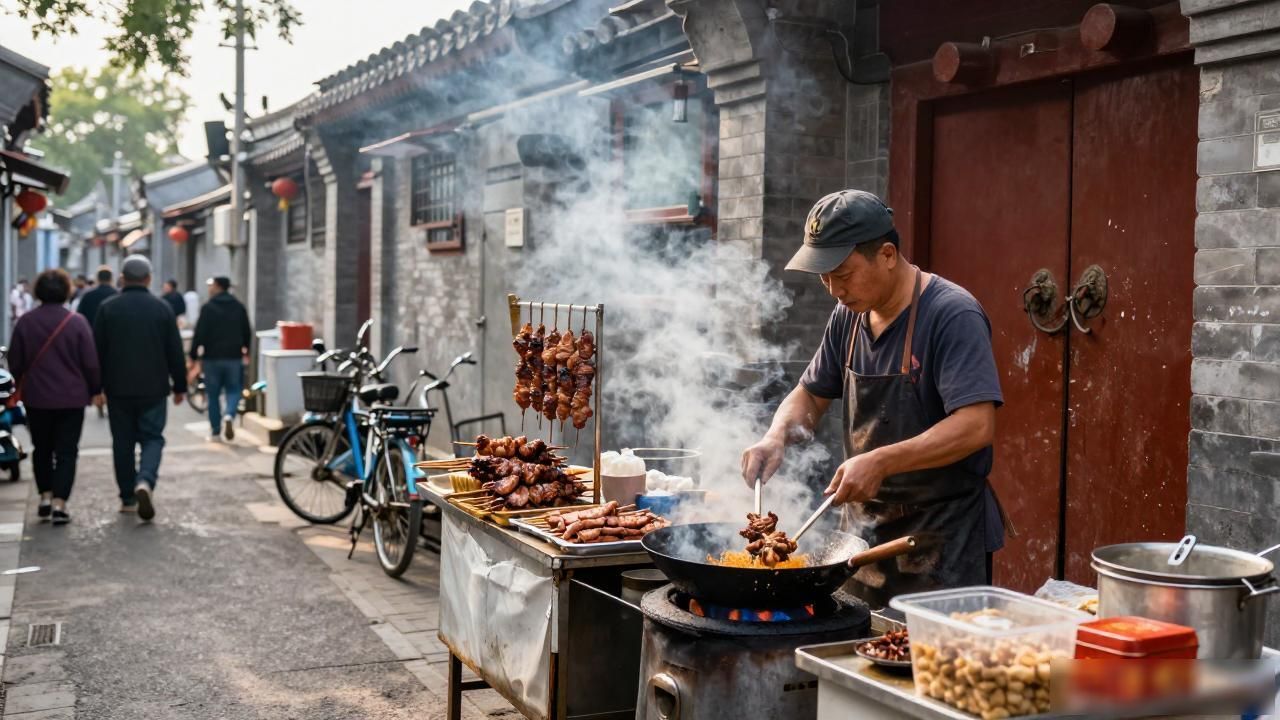
The imperial capital, at street level
Treaty-port past, future skyline
Slow down in the food capital
The mountain megacity finale
Pricing for this departure is provided on enquiry — send us an enquiry below and we'll reply with a written, itemised quote before you commit to anything.
Starting points for a tailor-made trip, not fixed departures — tell us which story pulls you and we'll shape it around your days, pace and appetite. Each button loads that route into the enquiry form so you can ask for pricing on it directly.
Guangzhou → Shunde → Shantou → Shenzhen
An argument, eaten over a week: that “Chinese food” is a fiction. Dim sum mornings in Guangzhou, Shunde — the chefs' hometown, famous for its utterly crispy roast duck — then Shantou, where Chaoshan cooking breaks every expectation, and Shenzhen to close: heritage to future in four stops.
Shanghai → Suzhou → Hangzhou
Where the signature route is about power, Jiangnan is about refinement — the region that supplied China's scholars, silk, tea and garden aesthetics. Shanghai as the gateway contrast, then gardens, canals and West Lake tea country at a genuinely slower pace.
Qingdao → Dalian
Two port cities, two colonial-era layers, one table of seafood after another. Tsingtao beer in its hometown and Zhanqiao Pier in Qingdao; Xinghai Square, the coastal road and colder-water seafood in Dalian. China's coast as a contact zone — short, delicious, and easy to add to a Beijing start.
Chengdu → Chongqing → Guizhou
Intensity in three registers: Chengdu's food capital and teahouse pace, Chongqing's vertical night-time megacity, then Guizhou's Miao and Dong mountain villages — sour-soup fish, embroidery and emerald rivers far from the standard circuit.
Chengdu → Yunnan → Guilin & Yangshuo
The anti-signature: no capitals, no megacity finale — pace is the product. Chengdu as the soft landing, Yunnan's old towns, lakes and tea country in the middle, and the Li River's karst landscape to close, taken slowly by river, village and bicycle.
Many of our travellers — including UK, Canadian and Australian passports — currently enter on China's 30-day visa-free scheme, which is scheduled to run to 31 December 2026. If it isn't extended, we sell 2027 trips as visa-free if extended, visa-assisted if not — and we map your exact route in writing either way. US passports aren't on the 30-day list, but most routes can be run under the separate 240-hour visa-free transit; we'll check yours before any commitment.
The best windows for most routes are April to early May and mid-October to November. We steer departures around Golden Week, May Day and the July–August heat and rain — and we'll tell you honestly if your dates fight the route you've chosen.
Every trip we run is small — at most 8 guests — or fully private, and priced around your route, dates and comfort level. So instead of a public price list, you get one written, itemised quote after a short conversation: what's in, what's out, and what it costs, before you commit to anything. No payment is ever taken through this page.
Leave us a message and we'll design your route around it. Here's how it works: